4 Sep 2026
Aligning Support Networks with Financial Limits in Mobile Gaming Interfaces
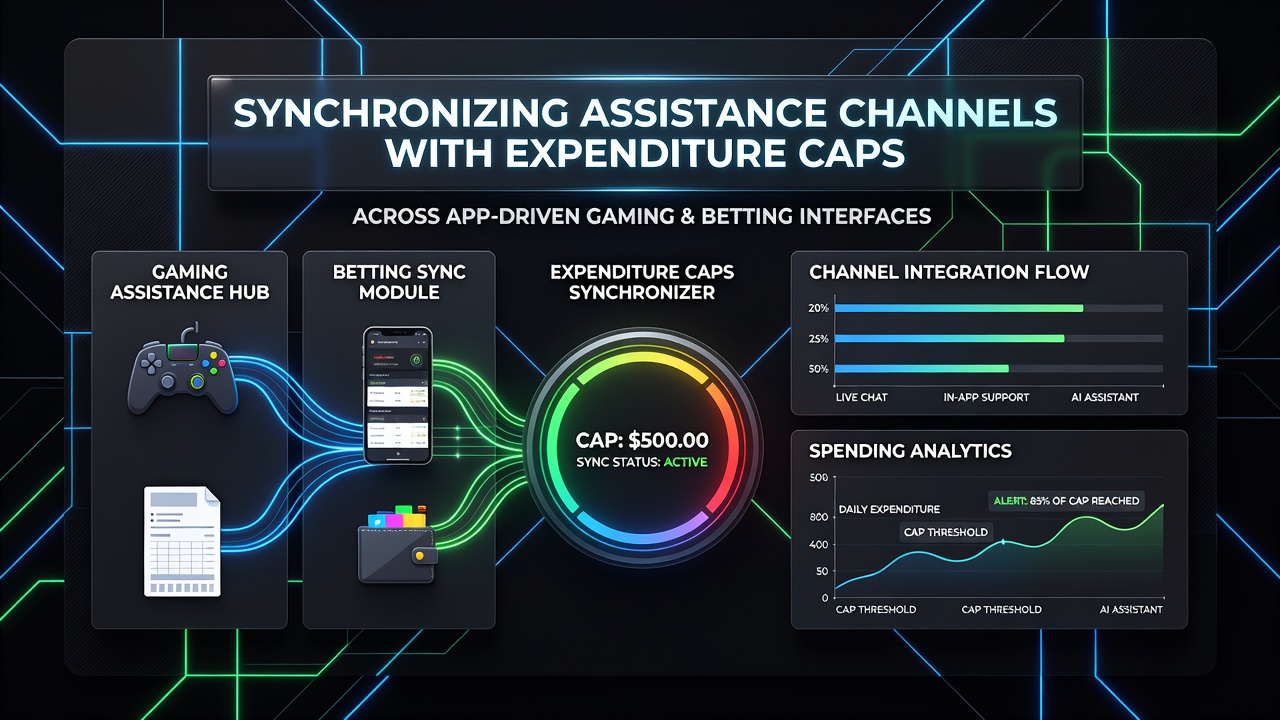
App-driven gaming and betting platforms continue to expand their technical frameworks for linking player assistance tools directly to expenditure controls, creating seamless pathways between real-time support and preset financial boundaries. Developers integrate chat functions, automated alerts, and third-party helpline connections into the same dashboards that manage deposit caps, loss thresholds, and session timers. This coordination allows users to trigger assistance requests without exiting the spending management section, reducing friction during moments when limits are approached or exceeded.
Regulatory bodies across multiple jurisdictions track these integrations as part of broader compliance audits. The Malta Gaming Authority, for instance, requires operators to demonstrate that support channels activate automatically when users hit predefined caps, with data logs preserved for review. Similar expectations appear in frameworks issued by the Nevada Gaming Control Board, where mobile platforms must log every interaction between limit-setting modules and advisory features.
Technical Integration Patterns Across Platforms
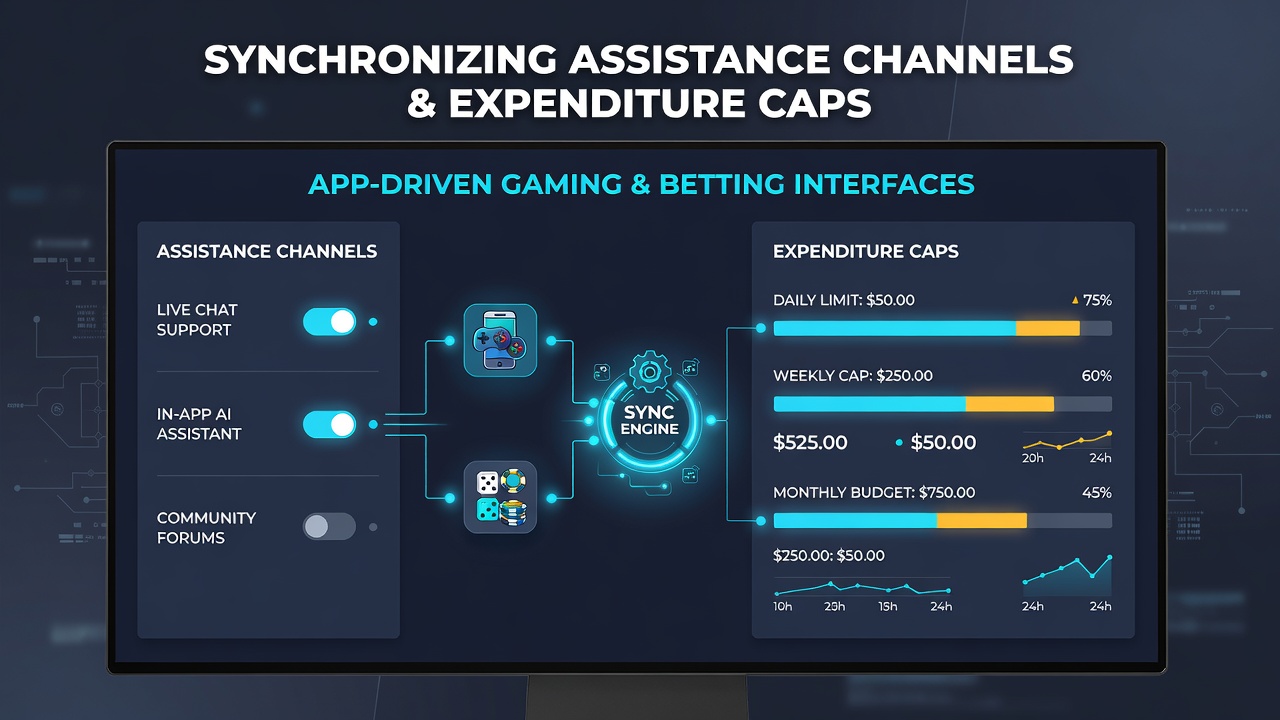
Many systems route expenditure data through encrypted APIs that feed both internal monitoring tools and external support providers. When a player sets a daily loss cap, the platform simultaneously configures triggers for pop-up messages offering live chat or callback options. Studies from the Canadian Centre on Substance Use and Addiction indicate that such synchronized setups increase the likelihood of users engaging with responsible gaming resources before financial thresholds are breached.
Engineers design these connections to handle high volumes of concurrent sessions while maintaining low latency. Push notifications sent from the limit module carry contextual details about current spend versus cap, allowing support agents to reference exact figures during conversations. And because the data flows in both directions, agents can adjust temporary holds or suggest cooldown periods that update the expenditure controls in real time.
September 2026 brought additional reporting requirements in several Australian states, where operators must now submit quarterly metrics on how often assistance channels activate within 60 seconds of a spending boundary being reached. These figures reveal that integrated systems achieve faster response times than standalone tools, though exact percentages vary by operator size and platform age.
Regional Regulatory Approaches and Data Trends
European operators often follow guidelines from the European Gaming and Betting Association that emphasize unified user interfaces for support and limits. One study conducted by researchers at the University of Sydney examined 47 mobile applications and found that platforms with merged assistance and cap modules recorded higher user retention of limit settings over six-month periods. The same research noted that separate modules led to more frequent resets of financial boundaries, suggesting weaker long-term adherence.
North American markets show parallel developments. Platforms licensed in New Jersey and Pennsylvania now embed links to the National Council on Problem Gambling directly inside the expenditure control screen. Users who attempt to raise a cap receive an immediate prompt offering a connection to a counselor before the change processes. Data shared by state regulators indicates this step reduces voluntary cap increases by measurable margins during the first quarter after implementation.
Industry reports also highlight challenges in cross-border operations, where differing definitions of expenditure caps require dynamic configuration. A single application serving users in multiple countries must adjust its alert thresholds and support routing based on local rules while preserving a consistent user experience. Developers address this through modular code that swaps regulatory parameters without altering the core synchronization logic.
Future Developments in Unified Systems
Observers note that artificial intelligence components are beginning to analyze patterns between support requests and spending behavior. These tools flag accounts where repeated assistance contacts coincide with frequent cap adjustments, prompting proactive outreach through the same interface. Testing conducted in late 2025 and continuing into 2026 suggests potential for earlier intervention, though full deployment remains limited to pilot programs.
Security protocols around these synchronized channels continue to evolve. Encryption standards now cover both financial data and conversation transcripts, with audit trails maintained for regulatory inspection. Multi-factor authentication protects changes to expenditure limits while still permitting quick access to support agents during active sessions.
Conclusion
Platforms that synchronize assistance channels with expenditure caps demonstrate measurable improvements in user engagement with protective features. Regulatory updates scheduled for late 2026 are expected to standardize reporting on these integrations across additional markets. The technical architecture supporting these connections continues to mature, driven by compliance demands and platform performance data collected from live operations.